
Best Mattresses for Kids in 2026: Top Picks for Toddlers, Children, and Teens
At Home of Cozy, our editorial team researches mattresses for every stage of childhood — from toddlers to teens — by reviewing manufacturer specs, third-party certifications, and owner reviews. Kids’ mattresses demand a different balance of safety, spinal support, breathability, and durability than adult models, so we focused on designs built specifically for children alongside adult mattresses that suit teenage bodies well. This guide highlights specialized kids models, organic and luxury options, and teen-friendly hybrid and foam choices, each paired with a concise “best for” recommendation. We frame every selection around construction type, typical firmness, and real-world owner feedback so parents can quickly match a mattress to their child’s age, sleep position, and room use. Wherever relevant, we note trade-offs so families can prioritize comfort, cooling, or eco-friendly materials with confidence.
Table of Contents
How We Picked These Mattresses
Our selections are entirely research-based. Our research team analyzed brand documentation, materials lists, third-party certifications, customer reviews, and construction details — foam versus hybrid versus natural latex — to identify mattresses that genuinely meet kids’ evolving needs. We did not conduct hands-on testing or sleep on any of these models. Instead, we synthesized publicly available specs and owner feedback to determine likely performance and suitability across different age groups, sleep positions, and body types.
Best Mattresses for Kids in 2026
1. Helix Kids — Best Kids Mattress Overall
Based on our research of brand specs and owner reviews, the Helix Kids is a kid-focused flippable hybrid that pairs adaptive comfort foams with a pocketed coil core for zoned support. It generally reads medium-firm — firm enough to support growing spines while still offering responsive pressure relief at the shoulders and hips. The firmer side is great for younger kids (suggested for 2-7 year olds) when they need additional support to aid proper development of their growing bodies. As kids get older, they tend to favor mattresses with more of a comforting feel, which is why the mattress also has a softer side for older kids (suggested for 8 & up) that still provides excellent support.
- Pro: Our research indicates effective zonal support that cradles shoulders and hips without sacrificing alignment.
- Pro: Hybrid construction delivers durable support and meaningful airflow through the coil layer.
- Pro: Designed specifically for children’s sleep needs, per brand specs.
- Con: May feel firmer to smaller toddlers who prefer a plush surface.
- Con: Hybrid construction makes it heavier to move than all-foam models.
Who it’s best for: Elementary-age kids and growing tweens who need balanced support and breathability.
2. Bear Cub — Best Mattress for Young Kids
Based on our research, the Bear Cub is a hybrid kids model that uses responsive comfort layers aimed at a slightly softer, hug-friendly feel appropriate for younger children. The hybrid construction emphasizes support and motion isolation — two qualities parents frequently highlight in owner reviews when describing peaceful nights in shared bedrooms.
- Pro: Owner feedback highlights gentle pressure relief well-suited for small bodies.
- Pro: Hybrid build keeps motion transfer low, ideal for shared beds or restless sleepers.
- Pro: Lightweight and easy to handle compared with coil hybrids.
- Con: Less edge support than hybrid models with coils.
- Con: Only one firmness option available.
Who it’s best for: Toddlers and preschoolers who need a pressure-relieving and breathable surface.
3. Brooklyn Bedding BB Kids — Best Affordable Mattress for Kids
Based on our review of product specs and owner feedback, the BB Kids blends comfort foam layers with a supportive foam core in an all-foam construction to deliver a balanced feel at a family-friendly value. The build emphasizes durability and straightforward support without relying on specialty materials, making it a practical choice for households furnishing multiple kids’ rooms.
- Pro: Our research shows consistent parental reports of durability and simple maintenance.
- Pro: Balanced comfort and support that suits a wide age range.
- Pro: Market positioning and specs make it a common budget-conscious pick.
- Con: Fewer premium materials or organic certifications than some kids-specific models.
- Con: May offer fewer firmness options than adult mattresses.
Who it’s best for: Families seeking a reliable, budget-friendly kids mattress without specialty materials.
4. Birch Kids — Best Organic Kids Mattress
Our research shows Birch Kids uses natural and organic-oriented materials in a flippable hybrid-style build — natural latex or foam comfort layers over an innerspring core, per brand documentation — to prioritize breathability and eco-conscious construction. Our analysis flags Birch’s focus on natural fibers, third-party certifications, and durable components designed to last through years of active childhood use.
- Pro: Natural and organic-leaning materials reduce exposure to some synthetic chemicals, according to specs.
- Pro: Breathable, responsive materials and coil support help with temperature regulation.
- Pro: Durable and flippable construction suited for kids as they age.
- Con: Heavier and firmer than typical foam kids mattresses.
- Con: May be more than what very young children need in terms of firmness and weight.
Who it’s best for: Parents prioritizing organic or natural materials and long-term durability.
5. Leesa Kids — Best Foam Mattress for Kids
Based on our research of brand specs and owner reviews, Leesa Kids is an all-foam mattress designed with children in mind, using adaptive foam layers for comfort and support. Brand specs and owner reviews highlight a medium feel that balances pressure relief and spinal support, and the simple construction makes it easy to set up and maintain.
- Pro: Lightweight and easy to move for changing rooms or rotating mattresses.
- Pro: Good pressure relief for growing bodies, according to owner feedback.
- Pro: Simple, washable-friendly cover options noted in product documentation.
- Con: All-foam builds generally provide less edge support than hybrids.
- Con: Can be less cooling than innerspring or coil-hybrid options without added cooling layers.
Who it’s best for: Young children and grade-schoolers who benefit from a responsive foam surface.
6. Nolah Nurture — Best Luxury Mattress for Kids
Our research indicates Nolah Nurture is a premium kids mattress that uses higher-end comfort foams and breathable covers to deliver plush pressure relief with a focus on comfort and safety. Specs and owner reports emphasize strong cushioning, quality finishes, and thoughtful design details that set it apart from standard kids models.
- Pro: Plush comfort and advanced foams offer strong pressure relief for sensitive sleepers.
- Pro: High-end materials and finishes noted in brand documentation.
- Pro: Good motion isolation for shared sleeping spaces.
- Con: Heavier and more feature-rich than simpler kids mattresses.
- Con: Luxury-level materials may be more than what very young children require.
Who it’s best for: Families looking for a plush, premium kids mattress with advanced comfort features.
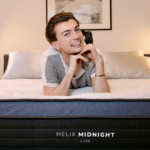
7. Helix Midnight — Best Mattress for Teens
Based on our research, the Helix Midnight is a versatile hybrid combining pocketed coils with comfort foams. Our research shows it performs well for side- and back-sleeping teens, typically offering a medium feel with balanced pressure relief and solid spinal support. Owner reviews often note it transitions smoothly from youth to adult mattress sizes.
- Pro: Hybrid coil core provides strong edge support and long-term durability, per specs.
- Pro: Balanced comfort suits a wide range of teen sleep positions.
- Pro: Well-regarded as a mattress teens can grow into.
- Con: May be slightly firm for smaller or very lightweight teens.
- Con: Without specific cooling additives, some sleepers may perceive moderate heat retention.
Who it’s best for: Teenagers who need a durable, adaptable mattress that transitions toward adult sleep needs.
8. Leesa Original — Best Foam Mattress for Teens
Based on our research, the Leesa Original is an all-foam, medium-firm mattress. Our analysis highlights its combination of responsive foam layers and pressure-relieving comfort that works well for many teens moving toward adult-sized mattresses. Its simple, reliable construction earns consistently positive marks in owner feedback.
- Pro: Strong pressure relief and motion isolation reported in owner feedback.
- Pro: Versatile sleep surface that suits a range of positions.
- Pro: Simple construction and reliable performance noted in specs.
- Con: All-foam builds can be less breathable than hybrid designs.
- Con: Moderate edge support compared with coil-based hybrids.
Who it’s best for: Teenagers who prefer a classic all-foam feel with reliable pressure relief.
9. Helix Midnight Luxe — Best Luxury Mattress for Teens
We include the Helix Midnight Luxe here because its hybrid benefits deserve a dedicated callout for teens specifically seeking coil-based support in a luxury model. The pocketed-coil core paired with comfort foams makes it a standout luxury hybrid option in our research — the design improves airflow, edge support, and responsiveness compared with all-foam alternatives.
- Pro: Coil-and-foam hybrid construction promotes cooling and resilience, per brand specs.
- Pro: Zoned support helps align growing spines.
- Pro: Well-reviewed for long-term durability in owner reports.
- Con: Heavier to handle than all-foam options.
- Con: May be firmer than some teens prefer without a plush comfort layer.
Who it’s best for: Teens who want the lift and breathability of a luxury hybrid mattress.
10. CopperFlex Memory Foam — Best Cooling Mattress for Teens
Based on our review of product documentation, the CopperFlex Memory Foam emphasizes cooling through conductive copper additives and open-cell foam technology. It delivers pressure relief while directly addressing the heat concerns often reported with traditional memory foam, making it a smart pick for teens who run warm at night.
- Pro: Copper infusion and breathable foam structures target improved temperature regulation, per specs.
- Pro: Memory-foam comfort provides strong pressure relief.
- Pro: Owner reviews often cite reduced night sweats compared with traditional memory foam.
- Con: Memory foam feel means less bounce and responsiveness than coil hybrids.
- Con: Edge support may be limited versus coil-based hybrids.
Who it’s best for: Teens who sleep hot and need pressure-relieving comfort with cooling-focused foam.
How to Choose a Mattress for Kids: Buying Guide
Firmness by Age
Toddlers typically benefit from a slightly firmer surface to support healthy spinal alignment and reduce suffocation risk — the American Academy of Pediatrics recommends firm sleep surfaces for the youngest children. School-age kids often do well with medium or medium-firm mattresses that balance comfort and support. Teens frequently need adult-level comfort and may prefer medium or medium-firm feels depending on sleep position and body weight. Avoid extremes unless recommended by a pediatrician.
Materials and Safety
Look for low-VOC certifications such as CertiPUR-US, GREENGUARD Gold, or GOTS for organic models. Breathable covers and hypoallergenic components are worth prioritizing when possible. Always review brand specs and any third-party testing summaries before purchasing.
Sleep Position and Body Type
Side sleepers often need softer top layers for shoulder and hip relief, while back and stomach sleepers usually need firmer support to maintain spinal alignment. Teens who are larger or active athletes may benefit from hybrids with coil support that offer stronger edge stability and long-term resilience.
Cooling and Motion Transfer
Hybrids with pocketed coils typically offer better airflow and edge support. Memory foam excels at motion isolation but can retain heat unless designed with cooling technology — copper- or gel-infused foams and open-cell constructions help reduce heat retention, per product specs.
Practical Factors
Consider weight capacity, mattress weight for moving or rotating, and whether the cover is removable and washable. Edge support matters for older kids or teens who sit or sleep near the mattress perimeter.
Trials and Warranties
Every mattress featured in this guide ships with a 120-Night Sleep Trial and a Limited Lifetime Warranty. We recommend verifying return logistics and warranty coverage directly with the brand before purchasing.
Our Final Take
Choosing the right mattress for a child is as much about age-appropriate support and safety as it is about comfort and durability. Our research-based picks cover toddlers through teens and include foam, hybrid, organic, and cooling-focused options so families can match priorities — whether that’s pressure relief, breathability, or eco-conscious materials — to their child’s specific needs. We encourage parents to use the buying guide above to narrow down the best construction type and firmness level before making a final decision.
Frequently Asked Questions
What firmness is best for a toddler?
We recommend a slightly firmer sleep surface for toddlers to support spinal alignment and reduce the risk of suffocation. Many kids-specific mattresses in our roundup — such as the Helix Kids and Bear Cub — meet that recommendation based on their construction specs.
How often should I replace my child’s mattress?
General guidance from product lifespans and owner reports suggests replacing a child’s mattress every six to ten years, depending on wear, growth, and any changes in sleep comfort. Check regularly for visible sagging or noticeable comfort loss.
Are organic mattresses better for kids?
Organic and natural-material mattresses can reduce exposure to some synthetic chemicals and are a solid option for families prioritizing that aspect. Look for certifications like GOTS or OEKO-TEX listed in brand documentation when researching organic claims. The Birch Kids in our roundup is a strong example.
Do kids need memory foam or coils?
Both can work depending on age and sleep needs. Memory foam provides pressure relief and motion isolation, which is helpful for sensitive or restless sleepers. Coil hybrids offer stronger edge support, airflow, and durability that often benefits older kids and teens. Our list includes both types so families can choose based on their priorities.
What if my child sleeps hot?
Select mattresses that emphasize cooling in product specs. Hybrids with pocketed coils, copper- or gel-infused foams, and breathable covers are commonly recommended by manufacturers and cited in owner reviews for better temperature regulation. The CopperFlex Memory Foam is specifically designed to address heat retention.
What trial and warranty do these mattresses have?
Every mattress included in this guide comes with a 120-Night Sleep Trial and a Limited Lifetime Warranty. We always recommend confirming the brand’s trial logistics, return process, and warranty terms directly before purchasing.